Poetic devices enhance the beauty of language, making poetry more engaging and memorable. Understanding these tools can deepen appreciation for poetry and improve writing skills. Exploring various devices can unlock new creative avenues for both readers and writers.
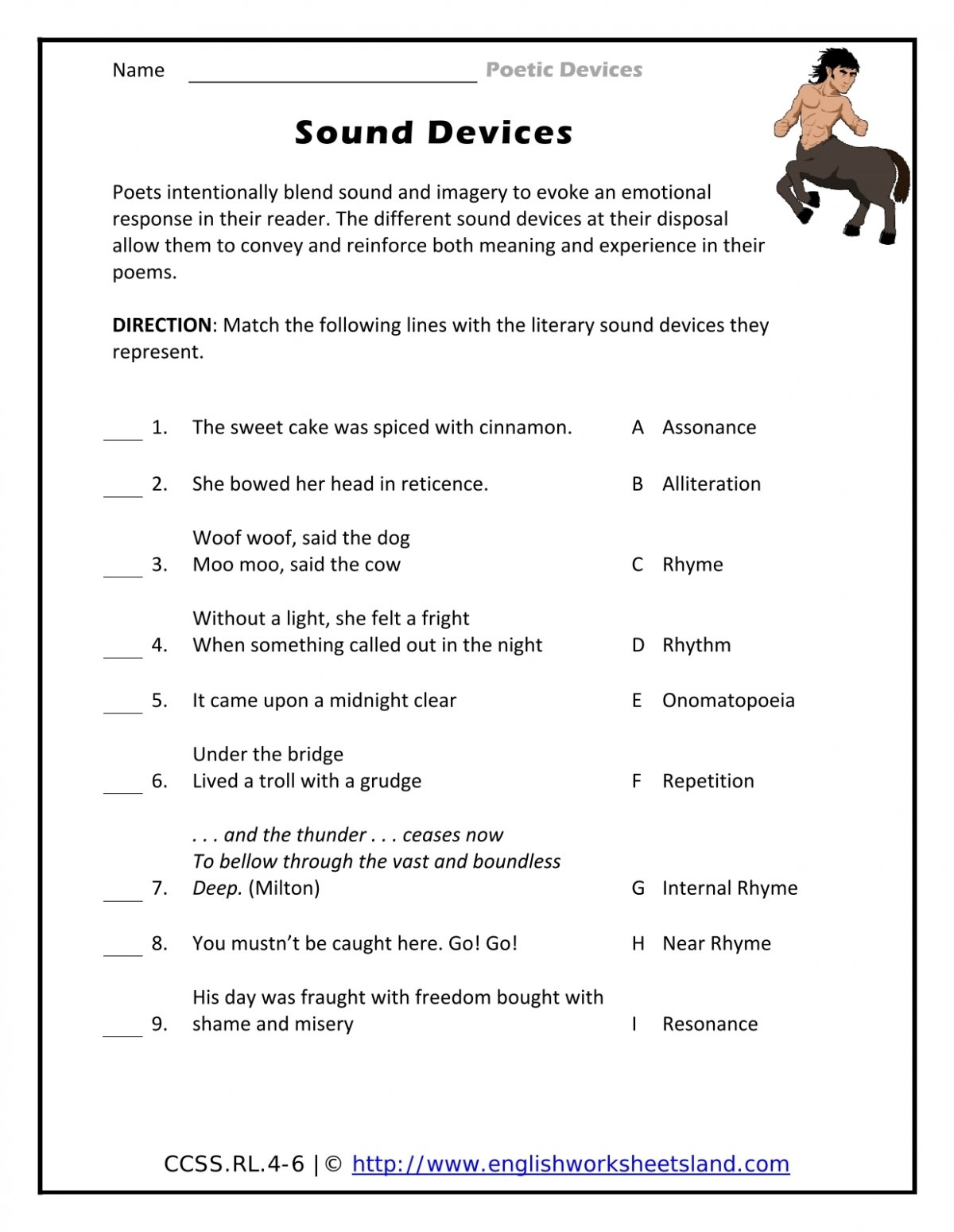
poetic devices for sound
Poetic Devices for Sound
Alliteration is one of the most popular poetic devices for sound. It involves the repetition of consonant sounds at the beginning of words, creating a musical quality. This technique can enhance the mood and tone of a poem, drawing readers in.
Another effective device is assonance, which refers to the repetition of vowel sounds within words. This subtle technique can create harmony and flow in poetry, making lines more pleasing to the ear while reinforcing themes and emotions.
Rhyme is perhaps the most recognized sound device in poetry. By pairing words with similar ending sounds, poets can create a sense of unity and structure. Rhyme schemes can also add a playful element to poems, inviting readers to engage with the text.
Lastly, onomatopoeia brings sound to life by using words that imitate natural sounds. This device adds vivid imagery and can make scenes more dynamic. Incorporating onomatopoeia allows readers to experience sounds through words, enhancing their connection to the poem.
Exploring poetic devices for sound enriches both reading and writing experiences. By incorporating these techniques, poets can create memorable works that resonate deeply with their audience, inviting them into a world of rhythm and emotion.