Poetry is a beautiful form of expression that often relies on sound to enhance its emotional impact. The rhythm, rhyme, and musicality of words can transform simple lines into powerful experiences that resonate with readers.
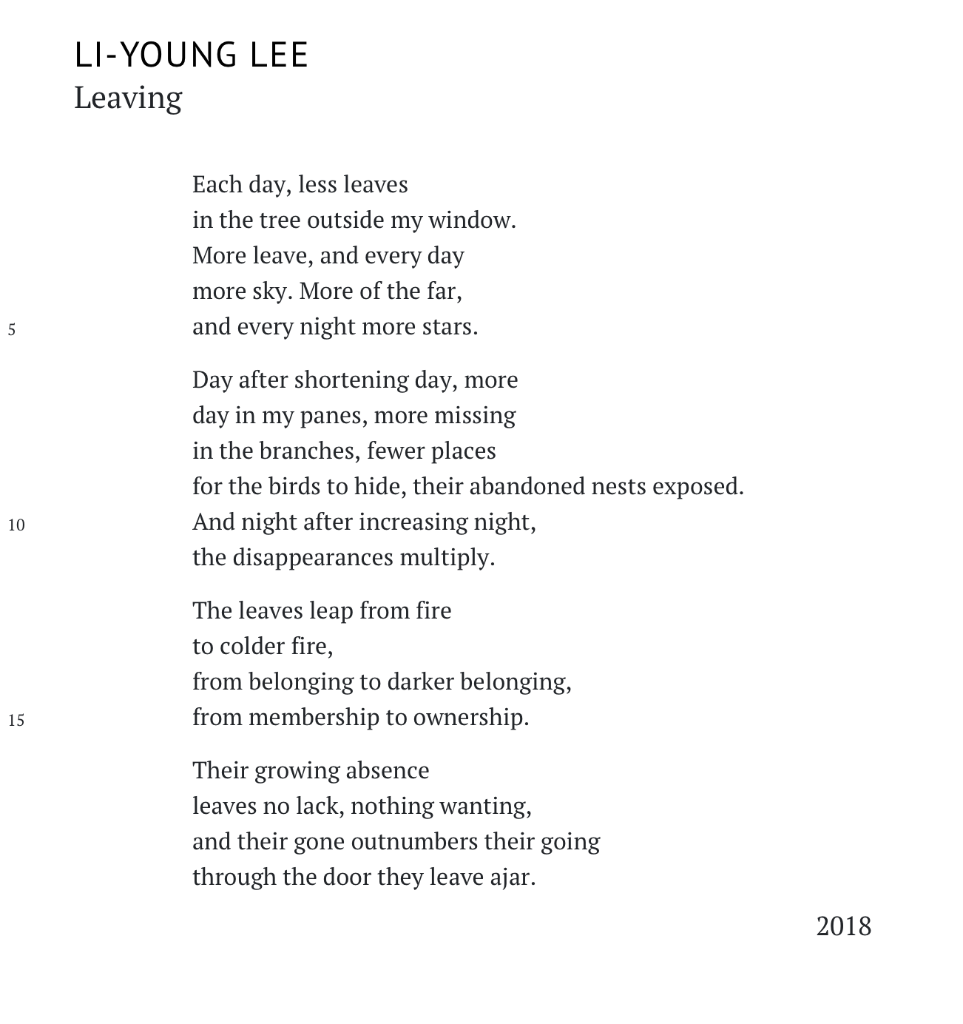
sound devices in poetry
Sound Devices in Poetry
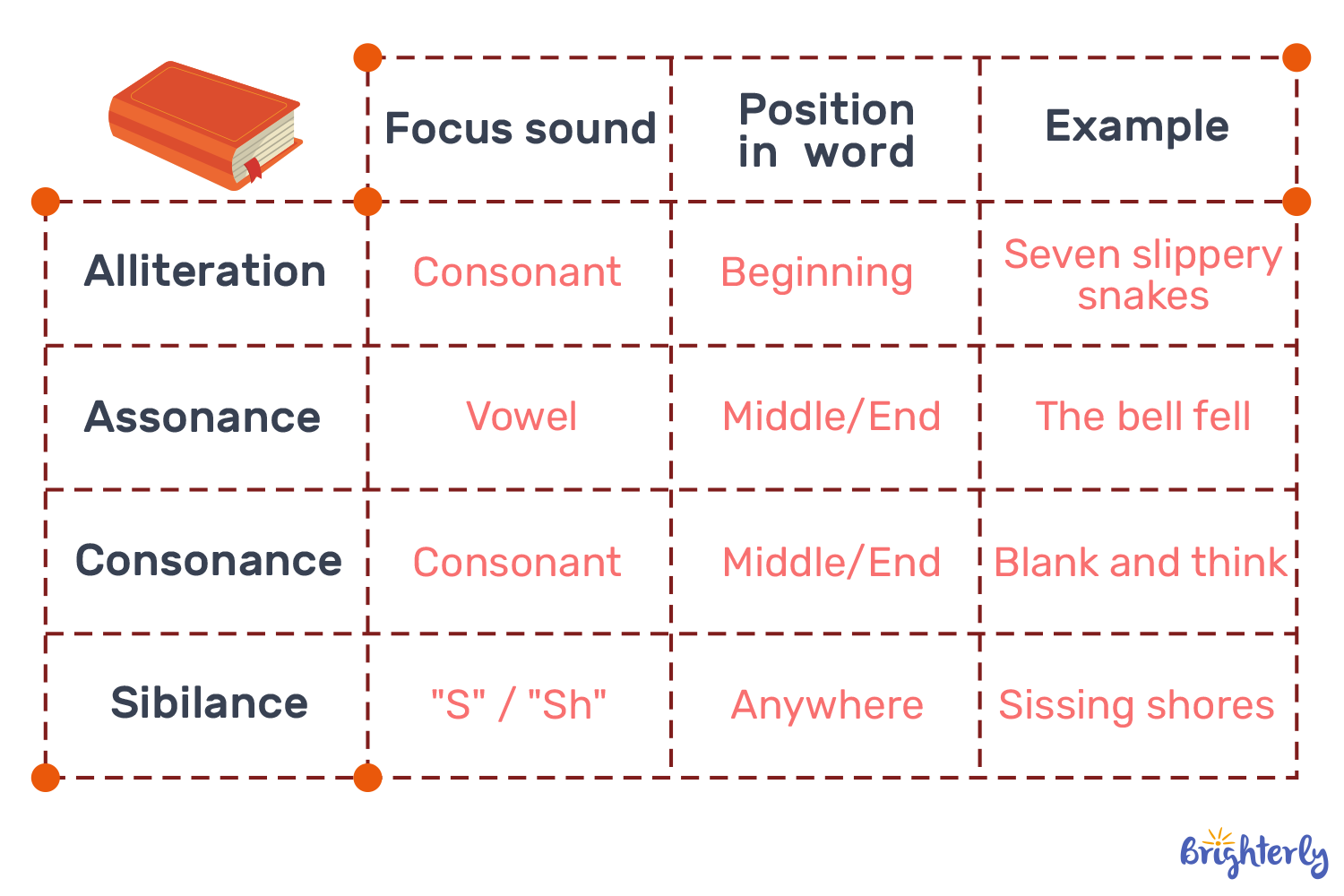
Sound devices in poetry include techniques like alliteration, assonance, and onomatopoeia. Alliteration involves the repetition of consonant sounds at the beginning of words, creating a musical quality that draws readers in.
Assonance, on the other hand, focuses on the repetition of vowel sounds within words. This technique can evoke specific feelings and enhance the overall mood of the poem, making it more engaging for the audience.
Onomatopoeia refers to words that imitate natural sounds. By using these words, poets can create vivid imagery and bring their verses to life, allowing readers to hear the sounds described in their minds.
Incorporating these sound devices enriches poetry and adds layers of meaning. When read aloud, the rhythm and melody can evoke emotions that written words alone may not convey, making poetry a unique art form.
Exploring sound devices in poetry opens up new dimensions of understanding and enjoyment. By paying attention to these elements, readers can fully appreciate the beauty and complexity of poetic works.